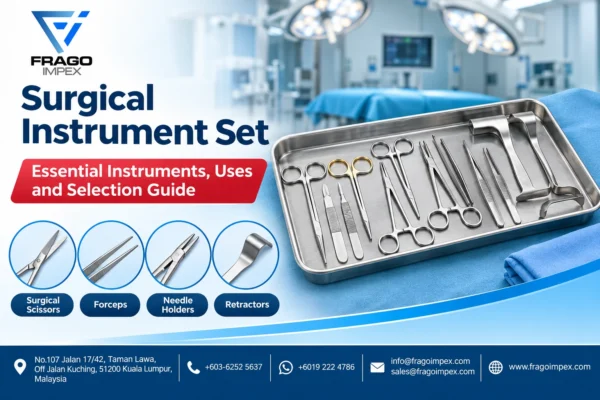
A surgical instrument set brings together the instruments required for a particular surgical procedure or group of procedures. Instead of sourcing and arranging every instrument individually, healthcare facilities can organize suitable instruments into procedure-specific sets that support preparation, workflow consistency and inventory management.
However, there is no single surgical instrument set that is suitable for every operation. A minor procedure in a clinic may require a relatively small selection of cutting, grasping and suturing instruments, while a hospital operating theatre may need specialized sets for general surgery, orthopaedics, gynaecology, ENT or other surgical disciplines.
Choosing the right set requires an understanding of instrument functions, the procedures performed, the clinician’s preferences, reprocessing requirements and the facility’s purchasing needs.
This guide explains the common instruments found in surgical sets, their uses, the differences between set types and the key considerations for hospitals, clinics and medical procurement teams.
What Is a Surgical Instrument Set?
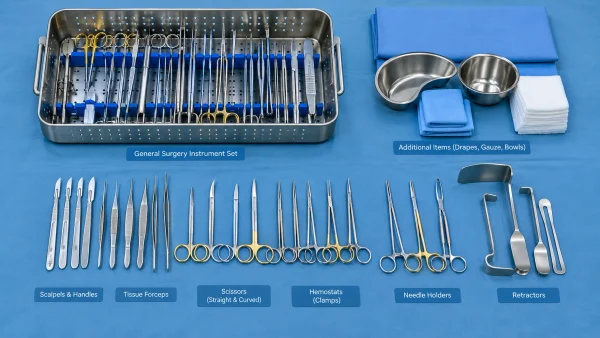
A surgical instrument set is a collection of medical instruments selected for specific procedures or clinical applications. The set may be supplied in a tray, container or other suitable arrangement and can contain instruments for cutting, grasping, clamping, retracting, suturing or handling tissues.
The exact contents depend on the intended procedure and the requirements of the healthcare professional using the set.
For example, a suturing set generally focuses on instruments needed to handle tissue and place sutures. A broader minor surgery set may include additional instruments for cutting, grasping, retracting and other procedural tasks.
A surgical set should therefore be specified by its intended use and contents rather than by its name alone.
Explore surgical instruments and surgical set categories from FRAGO IMPEX.
Essential Instruments Commonly Found in Surgical Sets
Different procedures require different instruments. The following categories explain the function of common reusable surgical instruments that may be included in suitable sets.
1. Surgical Scissors
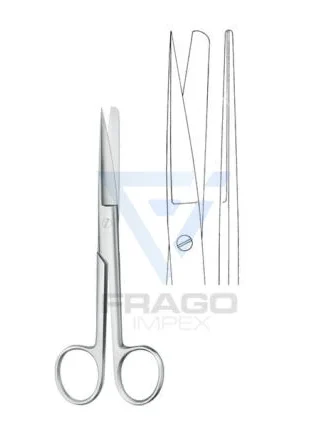
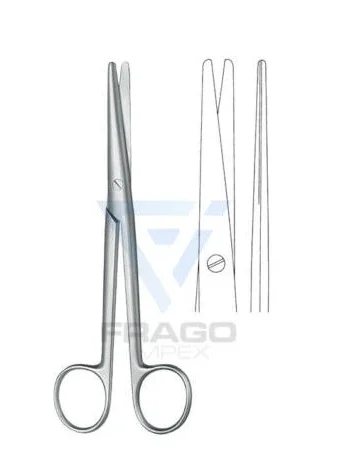
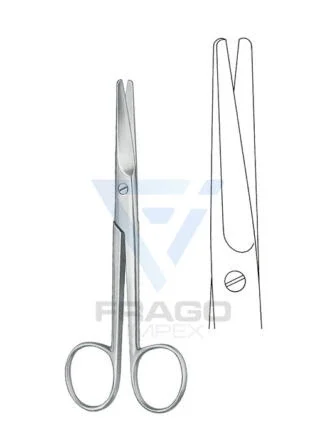
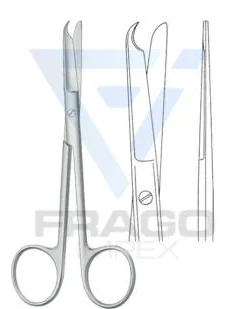
Surgical scissors are used for cutting tissue, sutures, dressings or other materials, depending on their design and intended application.
Common examples include:
- Mayo scissors: Commonly used for cutting sutures and, in appropriate designs, tougher tissues.
- Metzenbaum scissors: Designed primarily for delicate tissue dissection.
- Suture scissors: Designed to cut sutures.
- Bandage scissors: Used for cutting dressings and bandages rather than for internal surgical dissection.
Scissors vary in blade shape, length, curvature and intended use. A procurement team should identify the required pattern and size rather than treating all surgical scissors as interchangeable.
Browse the FRAGO IMPEX surgical instruments category for relevant instrument categories.
2. Forceps for Grasping and Handling

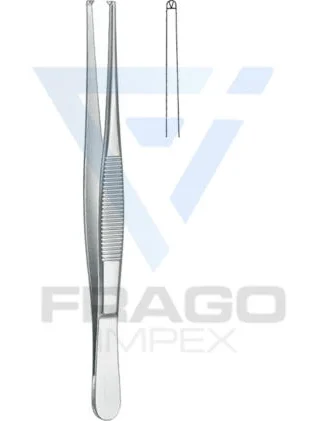

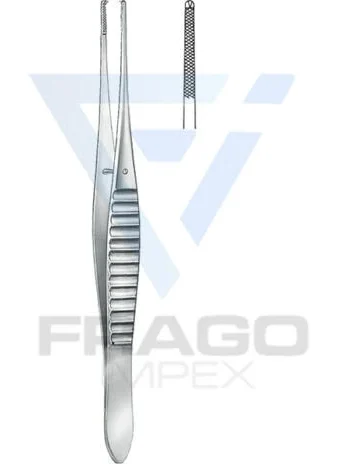
Forceps allow clinicians to grasp, hold or manipulate tissues and materials. Different jaw designs provide different levels of grip and are intended for different applications.
Common examples include:
- Dressing forceps: Used to handle dressings and other materials.
- Adson forceps: Commonly used for handling tissue in suitable procedures.
- Toothed tissue forceps: Designed to grip selected tissues securely.
- Non-toothed tissue forceps: Used where a different grasping design is appropriate.
- Allis tissue forceps: Used to grasp selected tissues that can tolerate their gripping design.
Forceps should be selected according to their intended application, jaw configuration, length and the tissue-handling requirements of the procedure.
3. Artery Forceps and Haemostatic Clamps
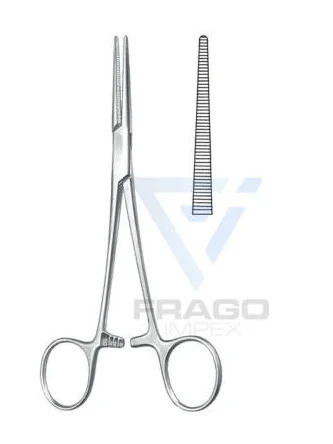
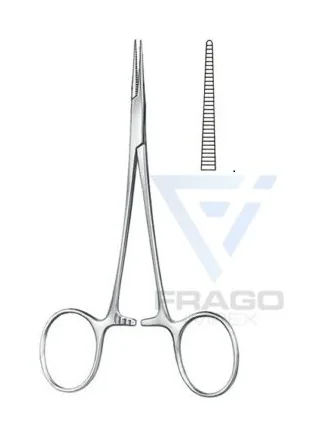
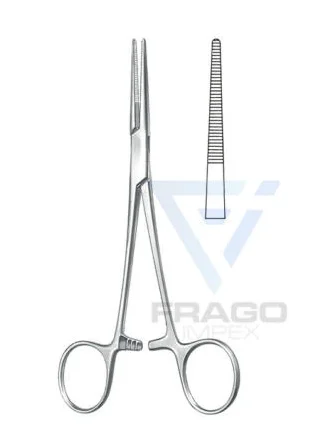
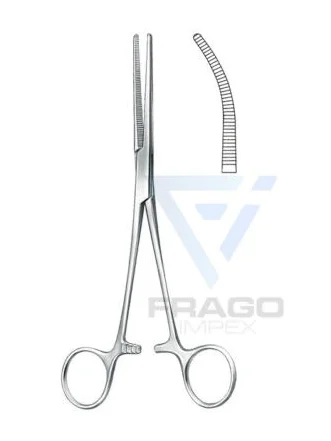
Haemostatic forceps are designed to clamp vessels or other suitable structures as part of surgical procedures.
Common patterns include:
- Mosquito forceps: Smaller haemostatic forceps used in suitable delicate applications.
- Kelly forceps: Commonly used for clamping structures within their intended size and application range.
- Crile forceps: Haemostatic forceps used in appropriate surgical procedures.
- Rochester-Pean forceps: Larger haemostatic forceps intended for applications suited to their design.
These instruments may be straight or curved. Selection depends on the target structure, access, jaw pattern, length and the procedure being performed.
They should not be confused with tissue forceps designed primarily for grasping tissue rather than clamping vessels.
4. Needle Holders
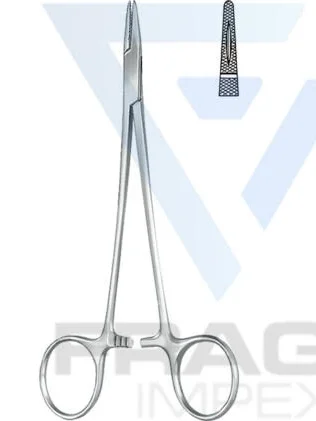
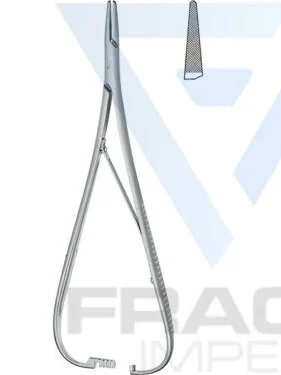
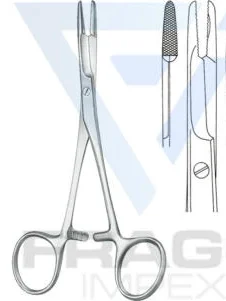
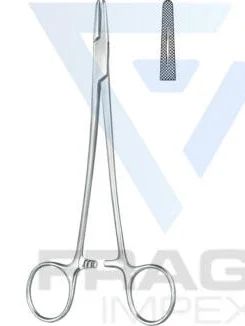
Needle holders are used to grip and control surgical needles during suturing.
Common designs include Mayo-Hegar and Mathieu needle holders, along with specialized patterns for particular procedures.
When choosing a needle holder, consider:
- Jaw design and gripping surface.
- Instrument length.
- Needle size and type.
- Ratchet or locking mechanism, where applicable.
- The procedure and the clinician’s handling preferences.
A needle holder should grip the intended needle securely without unnecessary movement or damage. It is not simply interchangeable with an ordinary haemostatic clamp.
5. Scalpels and Scalpel Handles
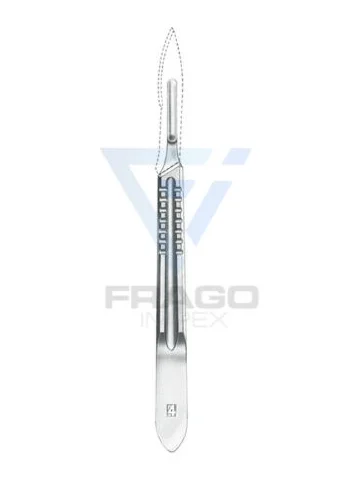
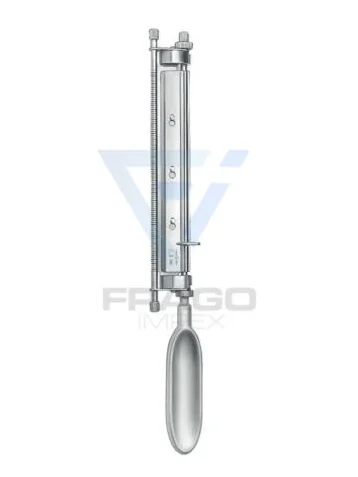
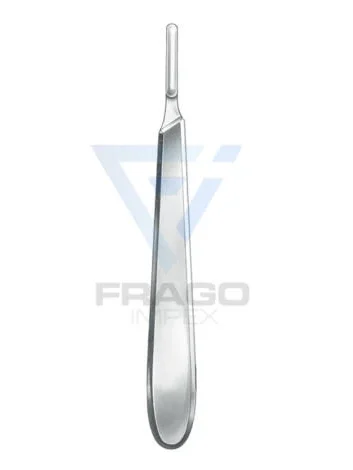
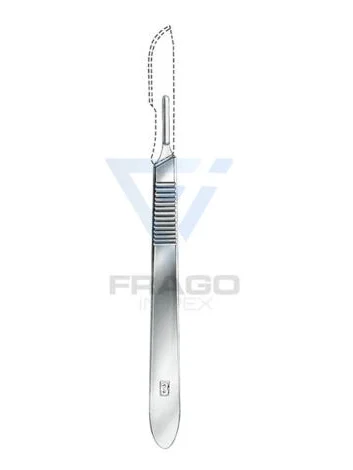
Scalpels are used for surgical incisions and other cutting tasks appropriate to their design.
A set may contain one or more reusable scalpel handles compatible with specified blade patterns. Blade selection depends on the intended procedure, while reusable handles must be processed according to their instructions.
Procurement teams should verify the handle type, blade compatibility and whether the specified components are reusable or single-use.
Do not assume that all handles and blades are interchangeable.
6. Retractors
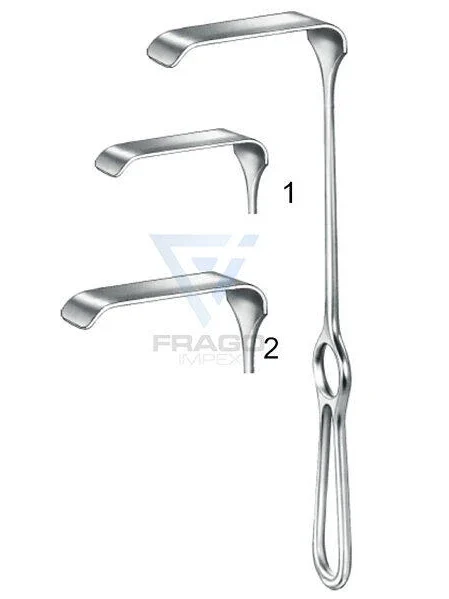
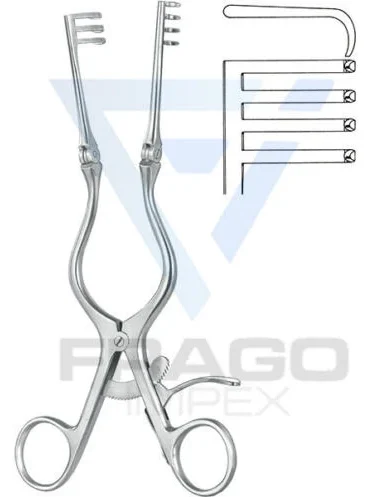
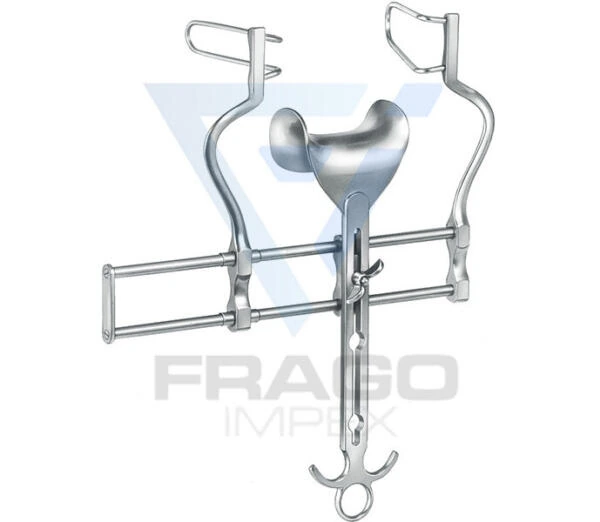
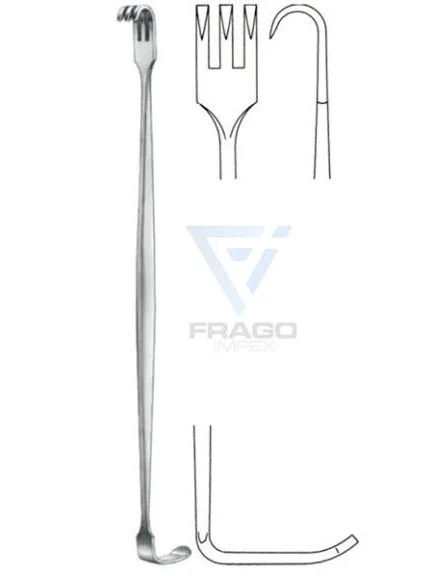
Retractors help hold tissue or wound edges aside to improve access and visibility during appropriate procedures.
Examples include handheld retractors such as Senn and Langenbeck patterns. Larger or specialized retractors may be required for other surgical applications.
The correct selection depends on the size and depth of the operative area, the tissue involved and the procedure.
A small clinic procedure set will not necessarily need the same retractors as a major operating theatre set.
7. Sponge-Holding and Towel-Clamping Instruments
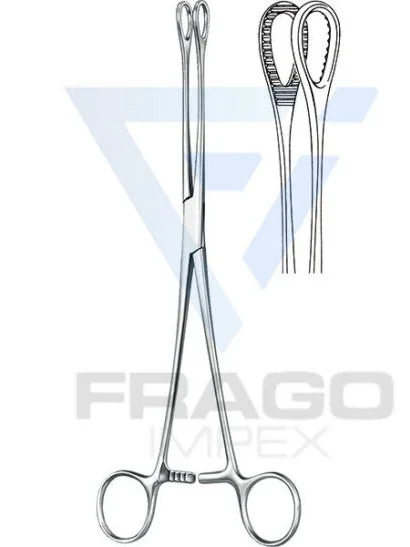
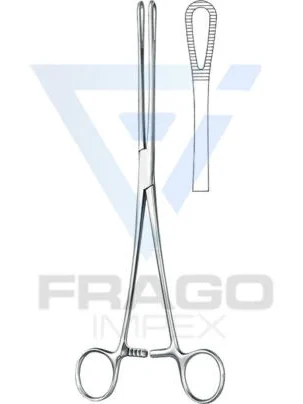
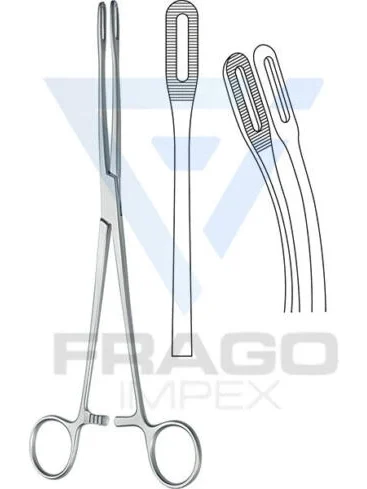
Sponge-holding forceps are designed to hold compatible swabs or sponges during specific clinical tasks. Towel clamps are used to secure suitable surgical drapes or materials where appropriate.
These instruments have distinct functions and should not be treated as substitutes for tissue forceps or haemostatic forceps.
Their inclusion in a set depends on the procedure, the facility’s protocol and the required instrument list.
Common Types of Surgical Instrument Sets
Surgical instrument sets are usually organized around a procedure or specialty. The following table provides a general overview rather than a universal contents list.
| Set type | Typical instrument categories | Intended application |
|---|---|---|
| Suturing set | Needle holder, tissue forceps, scissors | Suitable wound closure and suturing procedures |
| Dressing set | Dressing forceps, scissors and other selected handling instruments | Dressing changes and appropriate clinical tasks |
| Minor surgery set | Scissors, forceps, clamps, needle holder and selected retractors | Procedures defined by the clinic’s scope of practice |
| General surgery set | Cutting, grasping, clamping, retracting and suturing instruments | Selected general surgical procedures |
| Gynaecology set | Specialty-specific instruments | Appropriate gynaecological procedures |
| ENT set | Specialty-specific instruments | Ear, nose and throat procedures |
| Orthopaedic set | Instruments selected for the relevant orthopaedic procedure | Appropriate orthopaedic operations |
Not every set will contain every instrument listed. The final configuration should be confirmed against the intended procedure, clinician requirements and applicable protocols.
For more information about sets for smaller healthcare facilities, read 6 Essential Surgical Sets for GP Clinics.
How to Choose the Right Surgical Instrument Set
Selecting a surgical set is a clinical and procurement decision. A low purchase price or a long instrument list does not automatically make a set suitable.
1. Define the procedures first
Identify the procedures performed by the facility and the instruments required for each one.
A clinic performing basic suturing and selected minor procedures will have different needs from a hospital operating theatre performing major surgery.
Start with a procedure-based instrument list approved by the responsible clinical team.
2. Verify the exact contents
Ask for a detailed list of instruments included in the set. Check the names, patterns, quantities and sizes.
For example, a request for a “minor surgery set” may not specify whether the set contains mosquito forceps, Kelly forceps, a particular needle holder or the required retractor sizes.
A documented contents list helps prevent mismatches between the ordered set and the clinical team’s expectations.
3. Check material and construction
Evaluate the instrument material and construction against the intended use, manufacturer documentation and facility requirements.
Review relevant characteristics such as:
- Jaw alignment and closure.
- Hinge movement and ratchet function.
- Cutting performance where applicable.
- Surface condition and finish.
- Secure assembly and absence of visible defects.
- Compatibility with the facility’s validated reprocessing method.
Do not rely on a generic material description alone. Obtain the specifications for the actual instruments being purchased.
4. Consider ergonomics and size
Instrument length, weight, handle design and jaw configuration can affect handling and suitability.
The clinical team should review representative samples when practical, especially for specialized sets or larger procurement orders.
5. Plan for cleaning and sterilization
Reusable instruments must be compatible with the cleaning, disinfection and sterilization processes specified by their manufacturers.
Hinged instruments, removable parts and complex designs may require particular preparation steps. The set tray or container must also be compatible with the intended processing method.
The US Food and Drug Administration’s guidance on reusable medical devices explains why appropriate reprocessing is essential for devices intended for repeated use.
6. Review quality documentation and applicable requirements
Request the relevant product information, manufacturer identification and supporting documentation.
For Malaysian procurement, verify the applicable Medical Device Authority requirements and the regulatory status of the specific products and supplying establishment where required. Do not assume every instrument or set has the same regulatory status.
7. Assess supply and replacement needs
Consider the number of sets required, procedure frequency, reprocessing turnaround time and backup requirements.
Ask the supplier about availability of replacement instruments, consistency of product identification, lead times and the ability to supply the specified configuration again.
For further procurement guidance, see How Hospitals Should Evaluate a Surgical Instrument Supplier.
Surgical Instrument Set: Individual Instruments or Complete Sets?
Hospitals and clinics can purchase instruments individually or as procedure-specific sets. Each approach has advantages, depending on the facility’s existing inventory and clinical requirements.
| Consideration | Individual instruments | Complete sets |
|---|---|---|
| Best suited for | Replacements and specific additions | Establishing a standardized procedure setup |
| Selection | Each instrument chosen separately | Contents selected as a group |
| Inventory management | Requires individual tracking | Can simplify set-level tracking |
| Customization | Flexible, instrument by instrument | Depends on the available configuration |
| Procurement | Multiple line items may be required | May simplify ordering when contents are suitable |
A complete set can simplify preparation and inventory management, but only when its contents match the actual clinical requirements. Individual purchasing may be more practical when a facility already has most of the required instruments.
Common Mistakes When Purchasing Surgical Instrument Sets
Avoid these common procurement errors:
- Choosing by set name alone: Two sets with the same general description may have different contents.
- Ignoring instrument sizes: Incorrect lengths or jaw configurations can make instruments unsuitable for the intended procedure.
- Overlooking specialty requirements: General-purpose instruments do not replace specialty-specific instruments.
- Failing to check instrument function: Inspect samples or evaluate products using an appropriate quality assessment process.
- Ignoring reprocessing compatibility: Confirm that instruments and trays can be processed according to their respective manufacturers’ instructions.
- Ordering without a contents list: Document the exact instrument patterns, quantities and sizes before confirming an order.
- Neglecting replacement planning: Consider how damaged, worn or missing instruments will be replaced.
A clear specification reduces purchasing ambiguity and helps ensure that the delivered set meets the requirements agreed upon by the supplier and healthcare facility.
Care and Maintenance of Surgical Instrument Sets
Appropriate care helps maintain instrument function and supports reliable reprocessing.
Cleaning after use
Follow the manufacturer’s instructions for point-of-use care, transport, cleaning, rinsing and drying. Blood and tissue residues should not be allowed to accumulate or dry unnecessarily.
Inspection before processing and use
Check instruments for visible contamination, corrosion, damage, misalignment and mechanical problems. Scissors, needle holders and ratcheted forceps require particular attention to their working components.
Lubrication and maintenance
Use only suitable products and procedures specified by the manufacturer. Where required, apply an instrument-compatible lubricant after cleaning and before sterilization.
Sterilization and storage
Use a validated sterilization process compatible with the instruments and packaging. Store processed instruments under conditions that protect them from contamination and package damage.
For more detail, read our guide to surgical instrument sterilization and follow the applicable manufacturer’s instructions for each device.
Frequently Asked Questions
What instruments are included in a basic surgical instrument set?
Depending on the intended procedure, a basic set may include surgical scissors, tissue or dressing forceps, haemostatic forceps, a needle holder, a scalpel handle and selected retractors. The exact contents should be determined by the procedure and the clinical team’s requirements.
What is the difference between a suturing set and a minor surgery set?
A suturing set focuses on instruments used for handling tissue and placing sutures. A minor surgery set may include a wider range of cutting, grasping, clamping and retracting instruments. Contents vary between suppliers, so always check the itemized list.
How many surgical instrument sets does a clinic need?
There is no universal number. Requirements depend on procedure volume, the number of clinicians working simultaneously, reprocessing turnaround time and the availability of backup instruments. Facilities should plan inventory around actual demand.
Are all surgical instrument sets reusable?
No. Reusability depends on the product’s intended use and labeling. Instruments designated for reuse must be reprocessed according to their manufacturers’ instructions. Single-use devices should not be treated as reusable unless an applicable, authorized reprocessing framework specifically permits it.
How should hospitals evaluate a surgical instrument supplier?
Hospitals should assess the exact product specifications, instrument quality, manufacturer documentation, applicable regulatory requirements, supply reliability, replacement availability and technical support. The supplier should be able to clarify the contents and configuration of each set.
Can surgical instrument sets be customized?
Customization may be possible, depending on the supplier and the instruments required. Provide a detailed list of instrument names, patterns, sizes and quantities, then confirm the final configuration before ordering.
Conclusion
A suitable surgical instrument set should match the procedures performed, the clinician’s requirements and the facility’s reprocessing capabilities. Understanding the functions of scissors, forceps, needle holders, clamps, scalpels and retractors helps procurement teams specify the correct instruments rather than relying on a general set name.
Before purchasing, verify the complete contents, instrument dimensions, construction, manufacturer documentation and applicable regulatory requirements. Consider supply continuity and replacement needs alongside the initial purchase price.
FRAGO IMPEX SDN BHD supplies surgical instruments and medical equipment for healthcare facilities and procurement teams. Explore the surgical instruments category to review the available product categories.
Contact FRAGO IMPEX SDN BHD
- Address: No. 107, Jalan 17/42, Taman Lawa, Off Jalan Kuching, 51200 Kuala Lumpur, Malaysia
- Telephone: +603-6252 5637
- WhatsApp: +6019 222 4786
- Email: info@fragoimpex.com
- Sales: sales@fragoimpex.com
- Website: www.fragoimpex.com