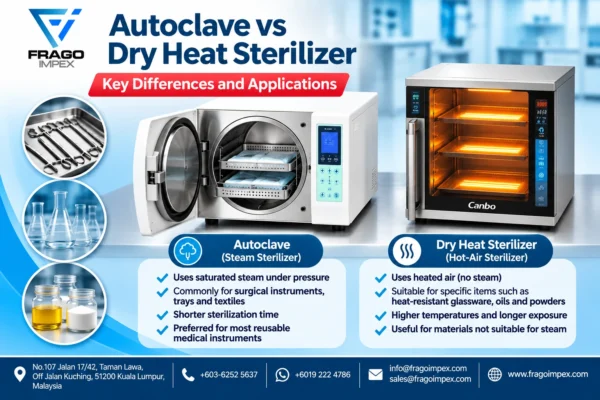
Autoclave vs Dry Heat Sterilizer: Hospitals, clinics, dental practices and laboratories need appropriate sterilization equipment to process reusable items safely. Two heat-based methods are steam sterilization using an autoclave and dry heat sterilization using a hot-air sterilizer.
Although both methods use heat to destroy microorganisms, they work differently and have different material compatibility requirements. Understanding these differences helps healthcare facilities select equipment that matches their instruments, workload and validated reprocessing procedures.
The Centers for Disease Control and Prevention (CDC) identifies steam as the preferred method for critical medical and surgical instruments that tolerate heat, moisture and pressure. Dry heat has more specialized applications, including certain materials that can withstand high temperatures but are unsuitable for moist heat. CDC+1
What Is an Autoclave?
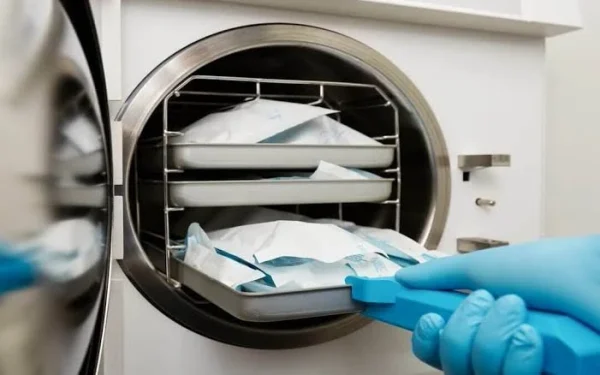
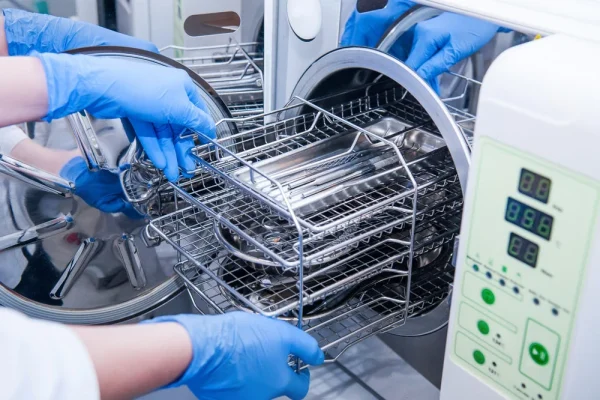
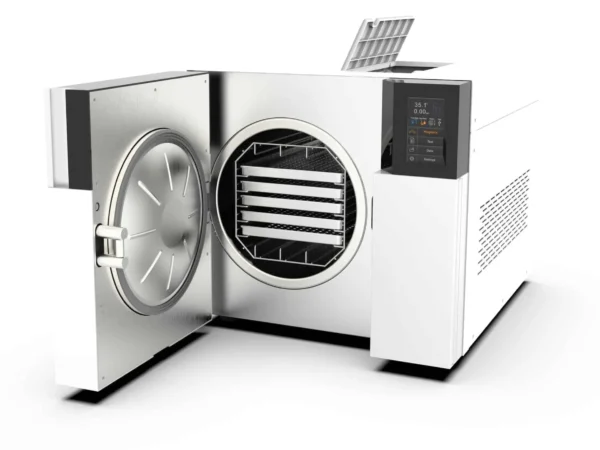
An autoclave is a sterilization device that uses saturated steam under pressure to expose suitable items to a controlled combination of temperature, exposure time and steam contact.
Pressure allows steam to reach temperatures above the normal boiling point of water. The moisture and heat help destroy microorganisms, including resistant bacterial spores, when the validated sterilization conditions are achieved.
Common applications of an autoclave
Autoclaves are commonly used to sterilize compatible items such as:
- Reusable stainless-steel surgical instruments.
- Suitable instrument trays and containers.
- Compatible textile packs and dressings.
- Certain heat- and moisture-resistant medical devices.
- Appropriate laboratory materials and waste, where the equipment and cycle are designed for that purpose.
Not every instrument can be autoclaved. Materials, coatings, adhesives, optical components and complex internal channels may require special consideration. Always verify the instrument’s reprocessing instructions and the autoclave manufacturer’s approved cycle.
Advantages of autoclaves
- Broad clinical use: Suitable for many heat- and moisture-resistant reusable medical instruments.
- Effective microbial destruction: Properly validated steam cycles can destroy highly resistant microorganisms.
- No chemical sterilant residue: Steam sterilization does not rely on a chemical sterilant.
- Established monitoring practices: Cycles can be assessed using appropriate physical, chemical and biological monitoring methods.
- Multiple configurations: Available formats include tabletop units and larger sterilizers designed for different workloads.
Limitations of autoclaves
Steam can damage moisture-sensitive or heat-sensitive materials and may contribute to corrosion or damage when instruments are incompatible, poorly maintained or improperly processed. Items must also be prepared and loaded so steam can reach the required surfaces.
Autoclave performance depends on suitable steam quality, correct loading, air removal where required, validated cycle parameters and appropriate drying.
What Is a Dry Heat Sterilizer?
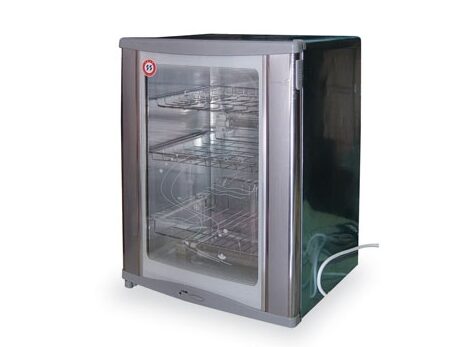
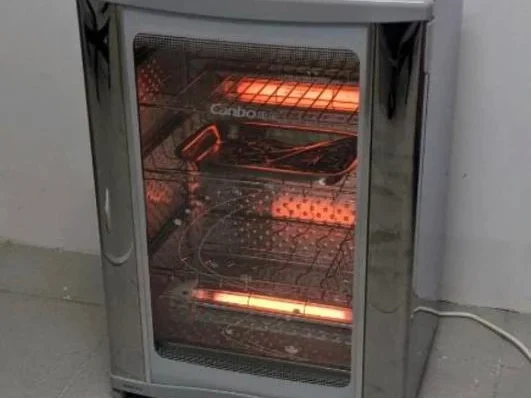
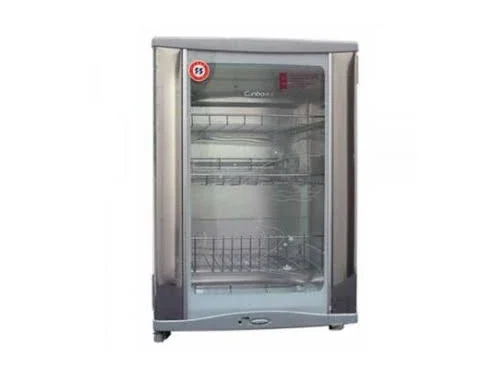
A dry heat sterilizer uses heated air rather than steam. It destroys microorganisms through prolonged exposure to a sufficiently high temperature under validated conditions.
Dry heat generally requires higher temperatures and longer exposure than steam sterilization. The actual cycle depends on the equipment, the load and the applicable validated process.
Common applications of dry heat sterilization
Dry heat may be appropriate for selected materials and items such as:
- Certain heat-resistant glassware.
- Suitable metal instruments that are compatible with the process.
- Certain oils and powders when the sterilizer and validated process are specifically suitable.
- Other materials for which dry heat sterilization is an approved method.
Dry heat is not automatically suitable for every metal instrument or sharp cutting edge. The device manufacturer’s instructions and the sterilizer’s validated intended use determine whether a particular item can be processed.
Advantages of dry heat sterilizers
- No moisture-based process: The method does not expose the load to steam.
- Useful for selected materials: Certain powders, oils and heat-resistant items may be unsuitable for steam sterilization.
- Non-corrosive process conditions for compatible metal items: Dry heat can be useful where moisture-related corrosion is a concern, provided the instrument is approved for the required temperatures.
- No chemical sterilant residue: The process relies on heated air rather than a chemical sterilant.
Limitations of dry heat sterilizers
- Longer processing: Heat penetrates loads more slowly than steam under many comparable conditions.
- Higher temperatures: Some instrument materials, coatings and components may be damaged.
- Load sensitivity: Overloading or uneven distribution can interfere with heat circulation and temperature uniformity.
- Restricted material compatibility: Many plastics, rubber components and other heat-sensitive materials cannot tolerate typical dry heat cycles.
The CDC describes dry heat as a specialized method and notes its relatively slow heat penetration and the high temperatures involved. CDC
Autoclave vs Dry Heat Sterilizer: Key Differences
The following table summarizes the main differences for healthcare procurement and equipment planning.
| Feature | Autoclave | Dry heat sterilizer |
|---|---|---|
| Sterilizing agent | Saturated steam under pressure | Heated air |
| Moisture exposure | Yes | No steam-based moisture |
| Typical temperature range | Common cycles include 121°C and 132–134°C, depending on the system | Common reference cycles include 150–170°C |
| Exposure time | Often shorter, depending on the cycle and load | Generally longer |
| Heat penetration | Steam contact and air removal are critical | Heat transfer through air and the load is critical |
| Suitable applications | Many compatible reusable surgical instruments and medical supplies | Selected heat-resistant items, including certain powders and oils |
| Moisture-sensitive items | Generally unsuitable if the item cannot tolerate steam | May be suitable if the item tolerates the required temperature |
| Plastic and rubber components | Only when specifically compatible with the validated cycle | Often unsuitable because of higher temperatures |
| Monitoring | Physical, chemical and biological monitoring as applicable | Appropriate physical, chemical and biological monitoring for the process |
| Main selection concern | Steam compatibility, air removal, loading and drying | Temperature tolerance, heating uniformity and exposure time |
Important: Temperature and exposure time are not universal settings. The CDC lists reference dry heat cycles such as 170°C for 60 minutes, 160°C for 120 minutes and 150°C for 150 minutes. These are examples from its guidance, not settings to apply automatically to every sterilizer or load. Follow the validated cycle and the manufacturer’s instructions. CDC+1
Understanding Sterilization Temperature and Time
Temperature alone does not establish that an item has been sterilized. The complete process must achieve the required conditions throughout the load.
Autoclave temperature and time
Common steam sterilization temperatures include 121°C and 132–134°C. The necessary exposure time varies with the sterilizer design, load, packaging, item type and validated cycle.
For example, a cycle designed for compatible wrapped instruments may have different requirements from one intended for a particular unwrapped load. Pre-vacuum and gravity-displacement sterilizers can also require different cycle parameters.
Dry heat temperature and time
Dry heat sterilization typically requires higher temperatures and longer exposure. The required conditions depend on the sterilizer, the material being processed, load arrangement and validated process.
In either method, the exposure period must be determined according to the approved cycle. The time needed for heating, air removal, drying or cooling may affect the total time before instruments are ready for use.
Do not choose a cycle based only on a temperature shown in a general article or on the equipment display.
Which Sterilizer Is Better for Surgical Instruments?
For most conventional reusable surgical instruments that tolerate heat, moisture and pressure, steam sterilization is generally the preferred method. This is consistent with CDC guidance for critical medical and surgical instruments. CDC+1
A dry heat sterilizer may be more appropriate for particular items when the manufacturer specifies dry heat and the equipment can deliver the required validated process.
Consider these examples:
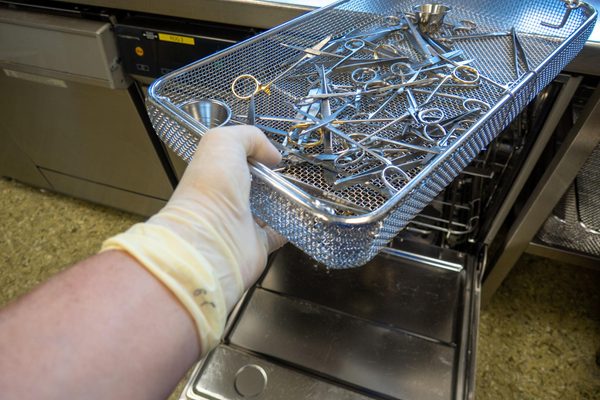
Reusable stainless-steel surgical instruments
A compatible autoclave is commonly the first option to evaluate. Confirm the instrument’s instructions, joint and lumen requirements, packaging and approved cycle.
Selected heat-resistant glassware
Either method may be appropriate for particular items, depending on the glassware, its intended use and the validated process.
Certain oils and powders
Dry heat can be suitable for selected products that are compatible with the process. A dedicated, validated method is necessary; do not assume an ordinary instrument cycle is suitable.
Heat- or moisture-sensitive devices
Neither method should be used unless the device is specifically compatible. An approved low-temperature sterilization method may be required.
How to Choose Sterilization Equipment for a Hospital or Clinic
Before purchasing an autoclave or dry heat sterilizer, assess the actual processing requirements of the facility.
1. Identify the items to be sterilized
Create an inventory of the instruments, devices and materials that require sterilization. Record each item’s material, intended use, dimensions and manufacturer-approved reprocessing method.
2. Estimate the daily workload
Consider the number of instrument sets processed each day, the frequency of procedures and the turnaround time required. Choose chamber capacity and equipment configuration according to the real workload rather than capacity alone.
3. Review cycle requirements
Confirm the validated cycles available, cycle duration, drying requirements, loading limitations and compatibility with the facility’s instrument packaging and containers.
4. Evaluate monitoring and documentation
Check how the equipment records cycle parameters and supports required monitoring. Staff should follow the facility’s procedures for reviewing cycle results, documenting loads and responding to failed cycles.
5. Consider installation and operating requirements
Assess available space, utilities, ventilation where required, maintenance access and staff training. Confirm the manufacturer’s installation requirements before purchasing.
6. Check service and maintenance support
Review preventive maintenance requirements, availability of replacement parts, technical support and the procedures for equipment qualification or verification after installation, relocation or major repair.
7. Verify documentation and regulatory requirements
Request the manufacturer’s technical documentation, operating instructions and applicable conformity or registration information. For equipment purchased in Malaysia, verify the relevant requirements with the Medical Device Authority Malaysia (MDA).
Common Mistakes to Avoid
- Assuming that an autoclave and a dry heat sterilizer can process the same items.
- Selecting equipment based only on its purchase price or maximum temperature.
- Using a generic time-temperature setting without confirming the validated cycle.
- Overloading the chamber or arranging instruments in a way that restricts heat or steam contact.
- Treating sterilization as a substitute for thorough cleaning.
- Ignoring packaging compatibility, drying and post-cycle handling.
- Failing to review cycle records and required monitoring results.
- Using equipment for items outside its approved intended purpose.
Reusable medical devices require appropriate cleaning before sterilization. The FDA describes reprocessing as a multistep process and emphasizes following device-specific instructions. FDA+1
Frequently Asked Questions
Is an autoclave better than a dry heat sterilizer?
For many reusable surgical instruments that tolerate steam, an autoclave is generally preferred. Dry heat is useful for selected materials that tolerate high temperatures and are specifically compatible with that method.
Can dry heat sterilize surgical instruments?
Yes, certain surgical instruments can be sterilized using dry heat if the instrument manufacturer permits the process and a validated cycle is used. Do not assume that all stainless-steel instruments are suitable.
Does dry heat sterilization take longer than autoclaving?
Generally, yes. Dry heat usually requires higher temperatures and longer exposure because heat transfer and microbial destruction occur differently from steam sterilization. Total processing time also depends on the equipment, load and cycle.
Can an autoclave sterilize plastic instruments?
Some plastics can tolerate specific steam sterilization cycles, while others deform or deteriorate. Check the manufacturer’s reprocessing instructions for the exact device.
Are dry heat sterilizers suitable for clinics?
They may be suitable where the facility has a legitimate need for dry heat sterilization and the intended items are compatible. Clinics should first identify the items to be processed and determine whether dry heat is the appropriate validated method.
Can sterilized instruments be used immediately after a cycle?
Not necessarily. Follow the equipment and instrument instructions, allow items to cool as required, verify cycle acceptance and ensure packaging integrity and appropriate handling before use.
Conclusion
Autoclaves and dry heat sterilizers both have important roles in sterilization, but they serve different needs.
An autoclave is generally the preferred choice for compatible reusable surgical instruments because steam sterilization is widely used in healthcare and is effective when the validated process is followed. Dry heat sterilizers serve more specialized applications where selected materials can withstand higher temperatures and dry heat is an appropriate method.
For hospitals, clinics and laboratories, the correct choice depends on instrument compatibility, workload, validated cycles, monitoring requirements, maintenance and the manufacturer’s instructions. Selecting equipment around these factors is more reliable than choosing by price or temperature alone.
FRAGO IMPEX SDN BHD supplies surgical instruments and medical equipment for healthcare facilities. Visit the FRAGO IMPEX website to explore the company’s product range and discuss your equipment requirements.
Contact FRAGO IMPEX SDN BHD
- Address: No. 107, Jalan 17/42, Taman Lawa, Off Jalan Kuching, 51200 Kuala Lumpur, Malaysia
- Telephone: +603-6252 5637
- WhatsApp: +6019 222 4786
- Email: info@fragoimpex.com
- Sales: sales@fragoimpex.com
- Website: www.fragoimpex.com