 Skip to content


Gynecology instruments are specialized medical tools used to examine the female reproductive system, collect diagnostic samples, perform minor procedures, and support gynecological surgery. They are used in hospitals, women’s health clinics, outpatient departments, and operating theatres.
Choosing the right instruments involves more than selecting a particular design. Healthcare facilities must consider the intended procedure, instrument dimensions, working-end design, handling requirements, material quality, reprocessing instructions, and compatibility with clinical protocols.
This guide explains the main types of gynecology instruments, their applications, and the factors healthcare professionals and medical procurement teams should evaluate when purchasing them.

What Are Gynecology Instruments?
Gynecology instruments are medical devices designed for procedures involving the vagina, cervix, uterus, and related reproductive structures. Depending on their design, they may provide visualization, hold tissue, retract anatomical structures, collect samples, dilate the cervix, or assist with cutting and suturing.
They can be broadly grouped into:
- Examination instruments: Used to visualize and assess the vaginal canal and cervix.
- Grasping and holding instruments: Used to hold tissue or manage swabs and materials.
- Dilation instruments: Used for controlled cervical dilation when clinically indicated.
- Sampling and curettage instruments: Used to obtain or remove tissue in specified procedures.
- Cutting and surgical instruments: Used during operative procedures.
- Retractors and supporting instruments: Used to improve access and visualization.
The appropriate instrument depends on the specific clinical task and the judgment of the qualified healthcare professional.
1. Common Types of Gynecology Instruments and Their Uses
1. Vaginal Speculums
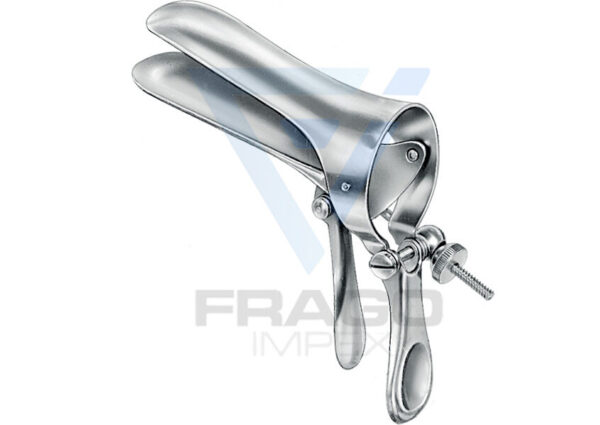

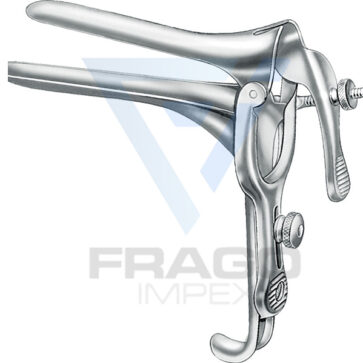
A vaginal speculum separates the vaginal walls to allow the clinician to visualize the vaginal canal and cervix. Speculums are commonly used during gynecological examinations and selected diagnostic or minor operative procedures.
Common designs include:
- Graves speculum: A bivalve design with two opposing blades, commonly used for vaginal and cervical examinations.
- Sims speculum: A single-blade retractor used to retract the vaginal wall; it requires appropriate positioning and handling.
- Pederson speculum: A narrower-bladed bivalve design often selected according to the patient’s anatomy and the examination requirements.
The correct size and design should be selected according to the patient’s anatomy, clinical purpose, and examination protocol.
Explore the Graves Vaginal Speculum and Sims Vaginal Speculum available through FRAGO IMPEX.
2. Gynecology Forceps
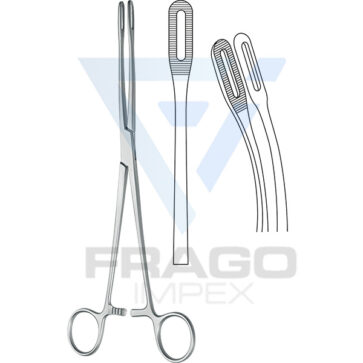
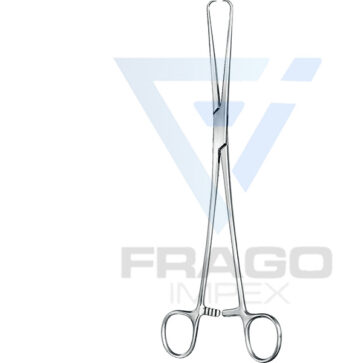
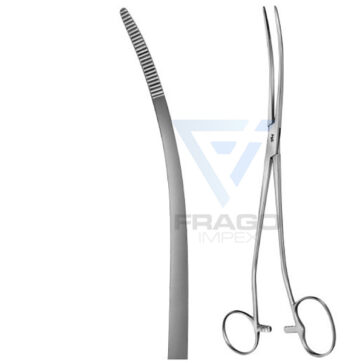
Gynecology forceps are designed for specific grasping, holding, or tissue-handling tasks. Their jaw shape, length, curvature, and locking mechanism influence their intended application.
Common examples include:
- Tenaculum forceps: Used to grasp and stabilize the cervix or other designated tissue during certain procedures.
- Uterine dressing forceps: Used to handle dressings or other materials in appropriate clinical applications.
- Sponge-holding forceps: Used to hold swabs or sponges during preparation and procedures.
- Ovum forceps: Designed for selected uterine evacuation procedures when clinically indicated.
These instruments are not interchangeable. A forceps design intended to grasp tissue may have a different tip configuration from one designed to hold a sponge or dressing.
FRAGO IMPEX offers McClintock Ovum Forceps for its intended specialist applications.
3. Uterine Dilators
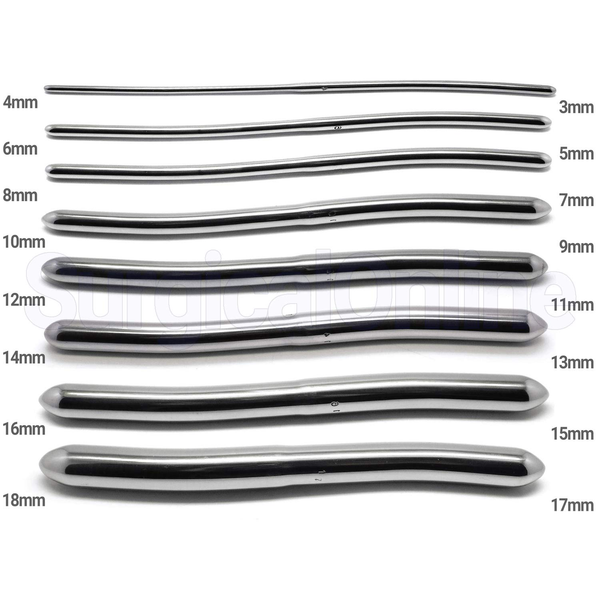
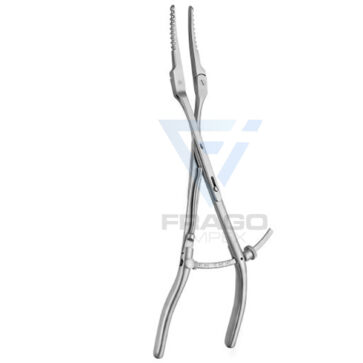
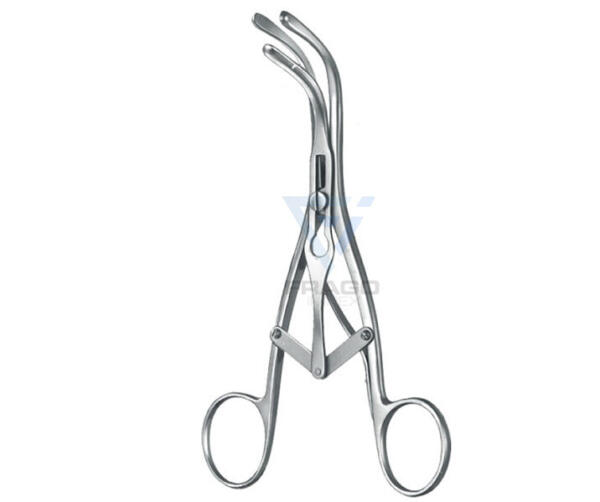
Uterine dilators are used to facilitate controlled dilation of the cervix when required for a diagnostic or operative procedure. They are available in different designs and dimensions.
Hegar dilators are commonly recognized by their straight, rounded, double-ended design, with different diameters at each end. Single-ended versions are also available.
When selecting dilators, clinicians and procurement teams should assess:
- The required size range and graduation system.
- Tip shape and surface finish.
- Ease of identification and organization.
- Compatibility with the intended procedure.
- Material and manufacturer-specified reprocessing requirements.
Cervical dilation is a clinical procedure that requires appropriate training, assessment, and technique.
See the Hegar Uterine Dilators Set and Single-Ended Hegar Uterine Dilators from FRAGO IMPEX.
4. Uterine Curettes
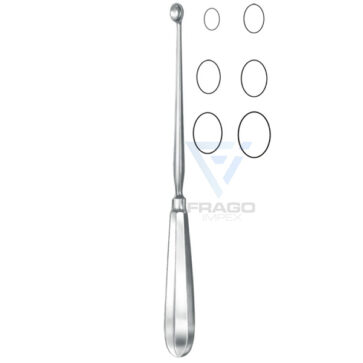
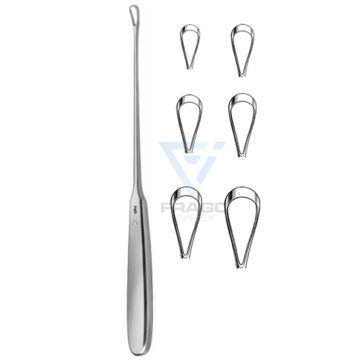
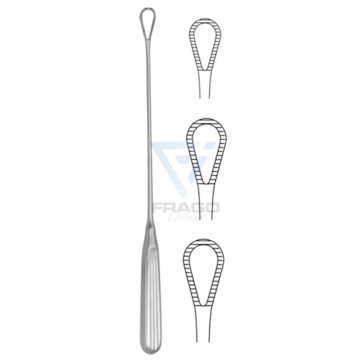
Uterine curettes are instruments used to collect or remove tissue from the uterine cavity in selected diagnostic and therapeutic procedures. Their working ends vary according to the intended purpose.
Common examples include Sims and Recamier curettes. Depending on the model, curettes may differ in shape, working-end dimensions, and sharp or blunt configuration.
Before selecting a curette, verify:
- The intended clinical application.
- The working-end design and dimensions.
- The instrument’s compatibility with the procedure.
- The manufacturer’s instructions for cleaning and sterilization.
Curettage is not appropriate for every gynecological condition. The procedure and instrument choice must be determined by a qualified clinician.
Related products include the Sims Uterine Curette and Recamier Uterine Curette.
5. Uterine Sounds
A uterine sound is a slender instrument used by trained clinicians to assess the direction and depth of the uterine cavity in selected procedures.
Design features may include a graduated shaft and a rounded tip. The markings, dimensions, flexibility, and material should be checked against the intended application and manufacturer information.
Because uterine sounding involves entry into the uterus, correct patient assessment, appropriate technique, and awareness of potential complications are essential.
6. Gynecological Scissors
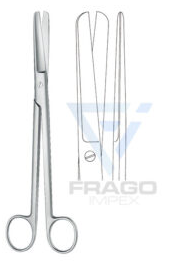
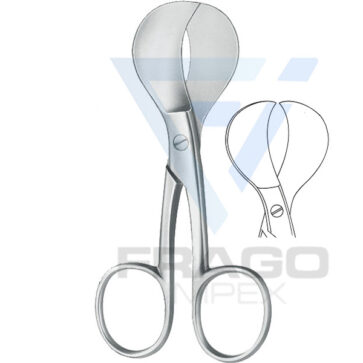
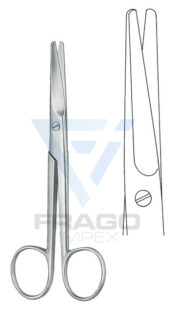
Surgical scissors are used for cutting tissue, sutures, or materials according to their design and intended application.
Examples include:
- Mayo scissors: Commonly used for cutting tougher tissue or surgical materials, depending on the model.
- Metzenbaum scissors: Designed primarily for delicate tissue dissection.
- Episiotomy scissors: Specifically designed for episiotomy in relevant obstetric settings.
Scissors should be chosen according to blade length, curvature, tip configuration, and the material being cut. A scissors design intended for tougher materials should not automatically be substituted for one intended for delicate tissue.
See the FRAGO IMPEX surgical scissors category.
7. Retractors
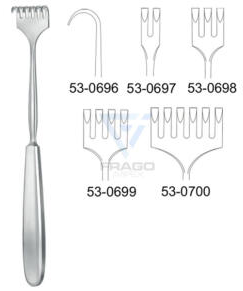
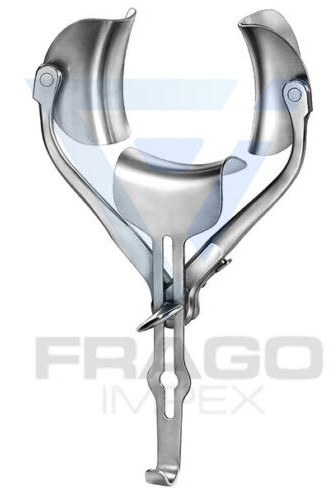
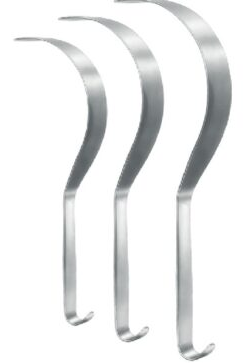
Retractors hold tissue or anatomical structures away from the operative field to improve access and visibility. In gynecological surgery, the required design depends on the operative approach and anatomical area.
Retractors may be handheld or self-retaining. Selection factors include blade shape, working depth, dimensions, handling requirements, and the space available in the operative field.
The Deaver Retractor is one example of a retractor used in selected deep-tissue and abdominal surgical applications, including some gynecological procedures.
8. Needle Holders
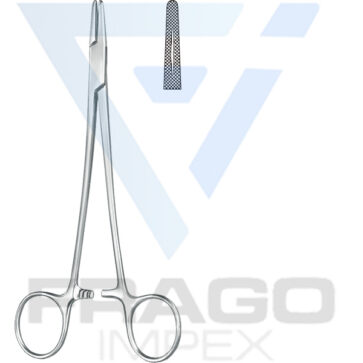
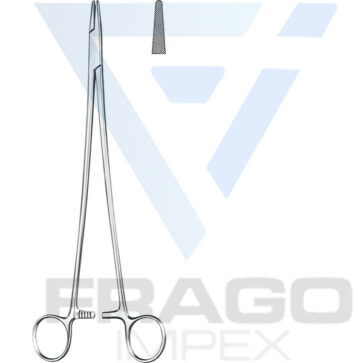

Needle holders grip surgical needles during suturing. They are used when the procedure requires surgical closure or repair.
Important differences between models include jaw design, locking mechanism, working length, and suitability for the needle and suture being used.
For procurement, select a design that supports the intended suturing technique and provides secure needle control without compromising the needle or instrument jaws.
2. Gynecology Instrument Comparison Table
The following table summarizes common instrument categories and the main factors to consider when selecting them.
| Instrument | Main purpose | Key selection factors |
|---|---|---|
| Graves speculum | Vaginal and cervical visualization | Blade size, opening mechanism, patient anatomy |
| Sims speculum | Vaginal wall retraction | Blade curvature, length, handling |
| Tenaculum forceps | Grasping or stabilizing designated tissue | Tip design, jaw configuration, working length |
| Sponge-holding forceps | Holding swabs or sponges | Jaw pattern, length, locking action |
| Hegar dilators | Controlled cervical dilation | Size range, graduation, tip finish |
| Uterine curette | Tissue collection or removal in selected procedures | Working-end shape, dimensions, intended use |
| Uterine sound | Assessing uterine direction and depth in selected procedures | Markings, length, tip design |
| Surgical scissors | Cutting tissue or materials | Blade type, curvature, tip shape |
| Retractors | Maintaining access and visualization | Blade dimensions, depth, retraction requirements |
| Needle holders | Holding needles during suturing | Jaw design, locking mechanism, needle compatibility |
Not every facility needs every instrument. The appropriate selection depends on the services provided, procedures performed, clinician preferences, and institutional protocols.
3. How to Choose the Right Gynecology Instruments
Selecting gynecology instruments requires a structured approach. Hospitals and clinics should evaluate clinical requirements alongside product quality, usability, and lifecycle costs.
Match the instrument to its intended application
Start by identifying the procedure or clinical task. A speculum used for routine examination has a different function from a uterine dilator or a curette.
Avoid selecting instruments solely because they appear similar or have comparable dimensions. Working-end design and intended use matter.
Check dimensions and available sizes
Instrument dimensions affect access, handling, visibility, and compatibility with the intended procedure.
Before ordering, confirm:
- Overall instrument length.
- Working-end dimensions.
- Available size variations.
- Whether the required sizes are sold individually or as a set.
- The measurement system used in the product documentation.
For example, a speculum may be offered in different sizes, while a dilator set may contain multiple graduated diameters.
Assess material and construction
Surgical instruments may be manufactured from stainless steel or other materials appropriate to their intended use. Material choice should be based on verified specifications rather than assumptions based on appearance.
Inspect the product information for material identification, surface finish, joint construction, and compatibility with the intended reprocessing method.
For reusable instruments, the ability to withstand the manufacturer’s specified cleaning, disinfection, and sterilization process is particularly important.
Evaluate ergonomics and handling
The instrument should support controlled handling by the intended clinical user. Consider grip, balance, locking mechanisms, jaw alignment, and visibility of the working end.
Where practical, clinical users should review the design before bulk purchasing. An instrument that does not suit the intended workflow may create unnecessary handling difficulties.
Verify cleaning and sterilization requirements
Do not assume that every metal instrument can be processed using the same method or cycle.
The World Health Organization emphasizes that medical-device decontamination involves sequential processes, including appropriate cleaning and disinfection or sterilization, supported by suitable infrastructure and quality controls.
World Health Organization+1
Before purchasing reusable gynecology instruments, confirm the manufacturer’s instructions for use, including:
- Initial cleaning and removal of biological material.
- Disassembly requirements, if applicable.
- Compatible detergents and cleaning methods.
- Validated disinfection or sterilization parameters.
- Drying, inspection, packaging, and storage requirements.
Consider total cost of ownership
The purchase price is only one component of the cost of a reusable instrument. Buyers should also consider reprocessing resources, inspection, maintenance, replacement frequency, availability of suitable accessories, and expected service life.
Compare quotations using equivalent specifications. A lower initial price does not necessarily represent better long-term value.
4. Reusable vs Single-Use Gynecology Instruments
Reusable and single-use instruments serve different procurement and clinical requirements.
| Consideration | Reusable instruments | Single-use instruments |
|---|---|---|
| Intended use | Used again after appropriate reprocessing when labeled for reuse | Intended for one use as specified by the manufacturer |
| Initial purchasing pattern | May involve higher upfront expenditure per item | Requires ongoing replenishment |
| Reprocessing | Requires validated cleaning and applicable disinfection or sterilization | Disposed of according to applicable procedures after use |
| Storage and inventory | Requires suitable storage after processing | Requires management of unopened stock and expiry dates, where applicable |
| Procurement checks | Reprocessing compatibility and lifecycle requirements | Packaging integrity, intended use, expiry and disposal requirements |
The correct choice depends on the specific device, manufacturer labeling, local regulations, infection-prevention requirements, and facility resources. A single-use device must not be treated as reusable unless a legally authorized and appropriate process specifically permits it.
The US Food and Drug Administration’s guidance on reusable medical devices explains why device-specific reprocessing instructions are essential.
FDA+1
5. Cleaning, Inspection and Maintenance of Gynecology Instruments
Correct instrument care helps maintain function and supports infection prevention. The exact process must follow the device’s instructions for use and the healthcare facility’s approved reprocessing procedures.
After use
Follow the facility’s point-of-use procedures to prevent blood, tissue, and other biological material from drying on the instrument. Transport used instruments safely to the designated reprocessing area.
During cleaning and reprocessing
Trained staff should follow the specified cleaning process and inspect the instrument before packaging and processing as required. Hinged joints, serrations, narrow working ends, and locking mechanisms may require particular attention.
The FDA describes reprocessing as a multistep process involving appropriate initial handling, thorough cleaning, and subsequent disinfection or sterilization according to the device and its intended use.
FDA+1
Before storage or reuse
Inspect instruments for:
- Corrosion, pitting, or surface damage.
- Bent components or misaligned jaws.
- Loose joints or defective locking mechanisms.
- Dull, damaged, or rough working edges.
- Residual soil or other visible contamination.
Damaged or malfunctioning instruments should be removed from service and assessed according to institutional procedures. Instruments should be stored in a clean, dry environment that protects them from damage and recontamination.
6. Common Mistakes to Avoid When Buying Gynecology Instruments
Hospitals, clinics, and medical distributors can reduce purchasing problems by avoiding several common mistakes.
Buying by name alone. Similar instrument names can refer to different designs. Confirm the working end, dimensions, and intended application.
Ordering the wrong size range. Check actual measurements and available variants rather than relying on a product photograph.
Assuming all stainless steel instruments are equivalent. Verify material information, construction quality, finish, and manufacturer documentation.
Ignoring reprocessing requirements. Confirm that the instrument can be processed using the methods and equipment available at the facility, in accordance with its instructions.
Overlooking inspection and maintenance. Include quality checks and replacement planning in procurement decisions.
Accepting unverified compliance claims. Request applicable documentation and verify regulatory status where required. Do not assume that a product is registered, certified, or approved simply because a supplier uses such wording.
7. Gynecology Instruments Procurement Checklist
Use this checklist when evaluating suppliers or preparing a purchase order.
Purchase review
0 of 9 completedConfirm the intended clinical application for each instrument.Verify dimensions, working-end design and available sizes.Review material specifications and product documentation.Confirm whether each device is reusable or single-use.Obtain manufacturer instructions for cleaning and reprocessing, where applicable.Check inspection, maintenance and replacement requirements.Verify applicable regulatory documentation and traceability.Compare quotations against equivalent specifications.Confirm stock availability, delivery arrangements and after-sales support.
Copy checklistReset
8. Frequently Asked Questions About Gynecology Instruments
What are the most commonly used gynecology instruments?
Common instruments include vaginal speculums, forceps, uterine dilators, uterine sounds, curettes, surgical scissors, retractors, and needle holders. The required instruments depend on the clinical service and procedure.
What is the difference between a Graves speculum and a Sims speculum?
A Graves speculum has two opposing blades that separate the vaginal walls, while a Sims speculum typically has a single curved blade used to retract a vaginal wall. Selection depends on the examination or procedure, patient anatomy, and clinician preference.
What are Hegar uterine dilators used for?
Hegar dilators are used for controlled cervical dilation when clinically indicated. They are available in different sizes, and selection should follow the procedure requirements and the clinician’s judgment.
Are gynecology instruments reusable?
Some are designed for reuse after appropriate cleaning and reprocessing, while others are labeled for single use. Always check the specific device’s labeling and follow the manufacturer’s instructions and applicable regulations.
How should hospitals choose a gynecology instrument supplier?
Hospitals should evaluate product specifications, intended applications, documentation, quality controls, regulatory status where applicable, availability, delivery arrangements, and after-sales support. Comparing equivalent products helps procurement teams make more informed decisions.
What should be included in a gynecology instrument set?
The contents should reflect the procedures performed by the facility. Examination instruments, grasping instruments, dilators, scissors, and other tools may be needed for different services. A qualified clinical team should define the required set rather than relying on a generic list.
Conclusion
Gynecology instruments support a broad range of examinations, diagnostic procedures, and surgical interventions. Understanding the differences between speculums, forceps, dilators, curettes, scissors, and other instrument categories helps healthcare facilities select products that suit their clinical requirements.
For hospitals, clinics, and procurement teams, the most useful approach is to verify the intended application, dimensions, construction, reprocessing requirements, and product documentation before purchasing. Correct instrument selection and maintenance should remain aligned with clinical judgment, manufacturer instructions, and institutional infection-prevention procedures.
FRAGO IMPEX SDN BHD supplies surgical instruments and medical equipment for healthcare facilities and medical distributors. Explore the surgical instruments range or contact the company for product information.
FRAGO IMPEX SDN BHD
- Website: www.fragoimpex.com
- Address: No. 107, Jalan 17/42, Taman Lawa, Off Jalan Kuching, 51200 Kuala Lumpur, Malaysia
- Tel: +603-6252 5637
- WhatsApp: +6019 222 4786
- Email: info@fragoimpex.com
- Sales: sales@fragoimpex.com


