 Skip to content

Absorbable vs Non-Absorbable Sutures: Types and Selection Factors
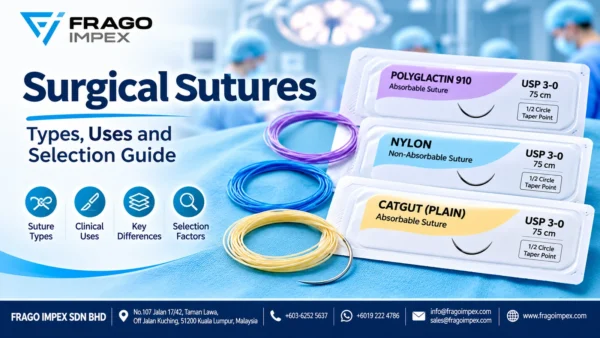
Absorbable vs Non-Absorbable Sutures: Surgical sutures are essential medical supplies used to bring tissues together, close wounds and ligate blood vessels during surgical procedures. However, not every wound requires the same suture material. The choice depends on the tissue being repaired, the expected healing time, the amount of support required and the clinical purpose of […]
Emergency Equipment Checklist for Clinics and Small Hospitals
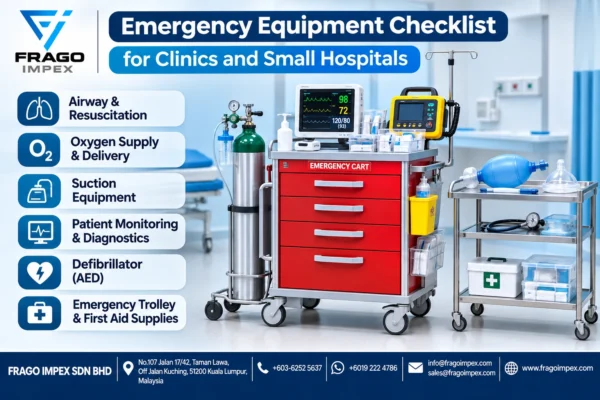
Emergency Equipment Checklist: Clinics and small hospitals need appropriate emergency equipment to respond to sudden illness, breathing difficulties, cardiac emergencies, injuries and other urgent medical situations. Even facilities that do not operate a dedicated emergency department should assess the equipment required for the services they provide and the patients they treat. An effective emergency equipment […]
Electrosurgical Unit vs Cautery: Differences, Uses and Safety Considerations
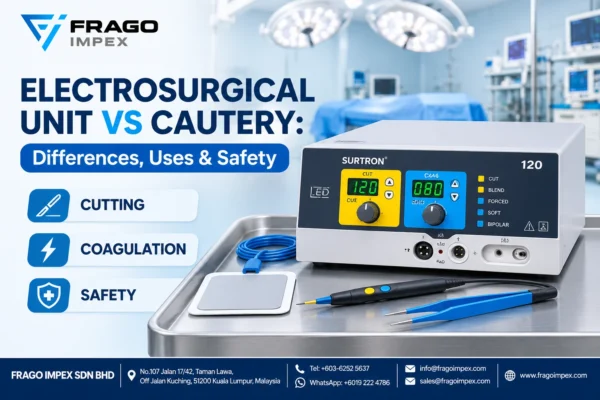
Electrosurgical equipment is commonly used in operating theatres, outpatient surgical departments and specialist clinics. These devices help surgeons cut tissue, coagulate blood and manage bleeding during selected procedures. However, the terms electrosurgical unit, electrosurgery, diathermy and cautery are often used interchangeably, even though they do not always refer to the same technology. Understanding the difference […]
Gynecology Instruments: Common Types, Uses and How to Choose Them
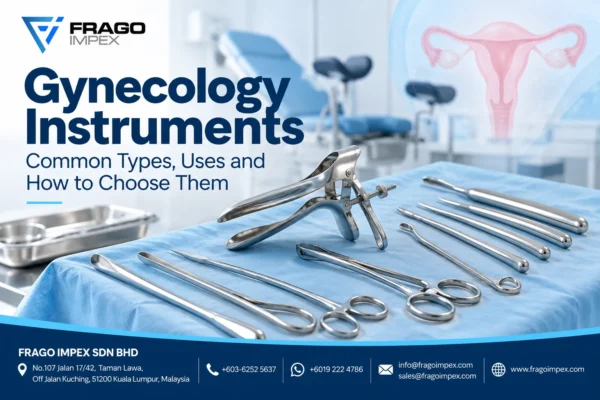
Gynecology instruments are specialized medical tools used to examine the female reproductive system, collect diagnostic samples, perform minor procedures, and support gynecological surgery. They are used in hospitals, women’s health clinics, outpatient departments, and operating theatres. Choosing the right instruments involves more than selecting a particular design. Healthcare facilities must consider the intended procedure, instrument […]
Silicone Resuscitator: Types, Uses and Features Explained

Introduction A silicone resuscitator, commonly known as an Ambu bag or manual resuscitator, is a medical device used by trained healthcare professionals to provide manual positive-pressure ventilation when a patient is unable to breathe adequately. These devices are used in emergency departments, operating theatres, intensive care units, ambulances and other clinical settings where respiratory support […]
Surgical Scissors: Types, Uses and How to Choose the Right Surgical Scissors
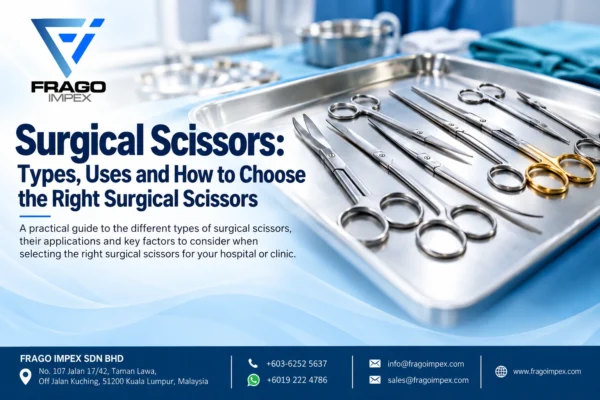
Surgical Scissors: Surgical scissors are precision instruments used for cutting and dissecting tissue, sutures, dressings and other materials during surgical and clinical procedures. Although many scissors may look similar, their blade shape, tip configuration, length and construction determine how they should be used. Choosing the right surgical scissors is therefore more than selecting a particular […]
Sponge Holding Forceps: Uses, Types and Proper Handling in Surgery
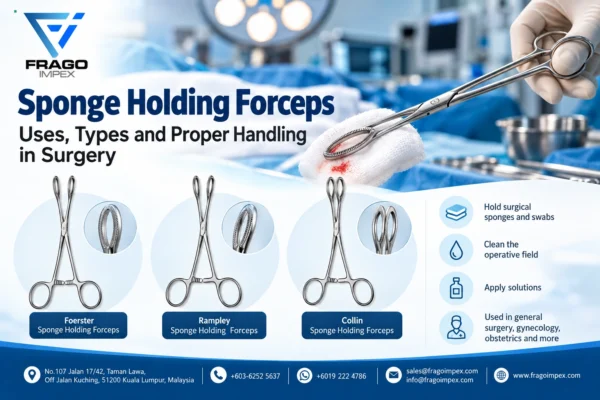
Sponge Holding Forceps: Sponge holding forceps are simple-looking instruments, but their design serves an important purpose in the operating room. They allow a surgical sponge, gauze or swab to be held securely while the clinician works within the operative field. Unlike ordinary tissue forceps, sponge holding forceps generally have ring handles, a locking ratchet, a […]
Hemostatic Forceps: Types, Uses and Differences Between Common Designs
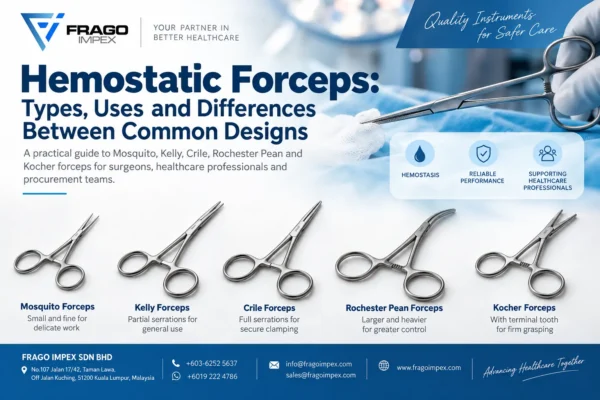
Hemostatic Forceps: Hemostatic forceps are locking surgical instruments used to clamp blood vessels or other suitable tissue structures during procedures where temporary control is required. They are also commonly called hemostats, haemostatic forceps or artery forceps. Although many hemostatic forceps look similar, their size, jaw shape, curvature and serration pattern can significantly differ. These design […]
Surgical Instrument Materials: Stainless Steel, Titanium and Other Common Materials Explained
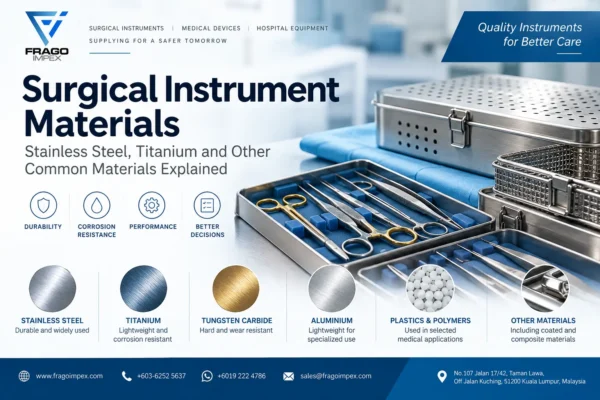
Surgical Instrument Materials: Stainless Steel, Titanium & More Surgical instruments may look similar on the outside, but the material used to manufacture them can significantly influence their strength, flexibility, corrosion resistance, weight, surface finish, maintenance requirements and intended application. For hospitals, clinics, operating theatres and medical-equipment procurement teams, understanding surgical instrument materials is useful when […]
Why Surgical Instruments Develop Rust and How to Prevent It
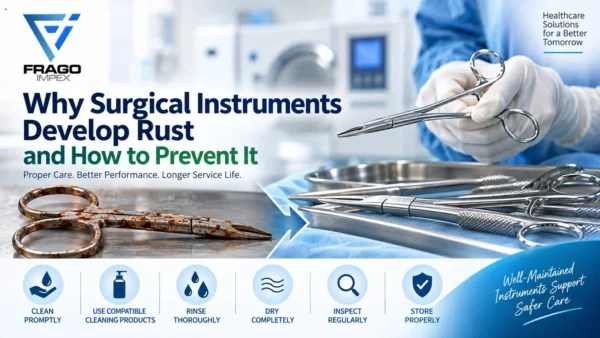
Why Surgical Instruments Develop Rust Surgical instruments are designed to withstand repeated cleaning, disinfection, sterilization and handling. However, even high-quality stainless-steel instruments can develop staining, corrosion or rust when cleaning, water quality, chemicals, drying or storage conditions are not properly controlled. Rust on surgical instruments is not simply a cosmetic issue. Corrosion can affect the […]

